
The Perfect Balance: 5mm Thick Yoga Mat Supports Your Practice
The mat is the first necessary piece of equipment in every yoga practice. Purchasing a mat becomes more difficult than it should be. There are dozens of options, and half of them look identical online. Thickness is the first thing I’d sort out, though, and a 5mm thick yoga mat is where a lot of people end up after some trial and error. It pads your knees and wrists, but it doesn’t lift you so high that your tree pose starts swaying. I’ve gone through plenty of mats teaching and practicing, and this is the one I keep recommending. Here’s what’s actually worth paying attention to.
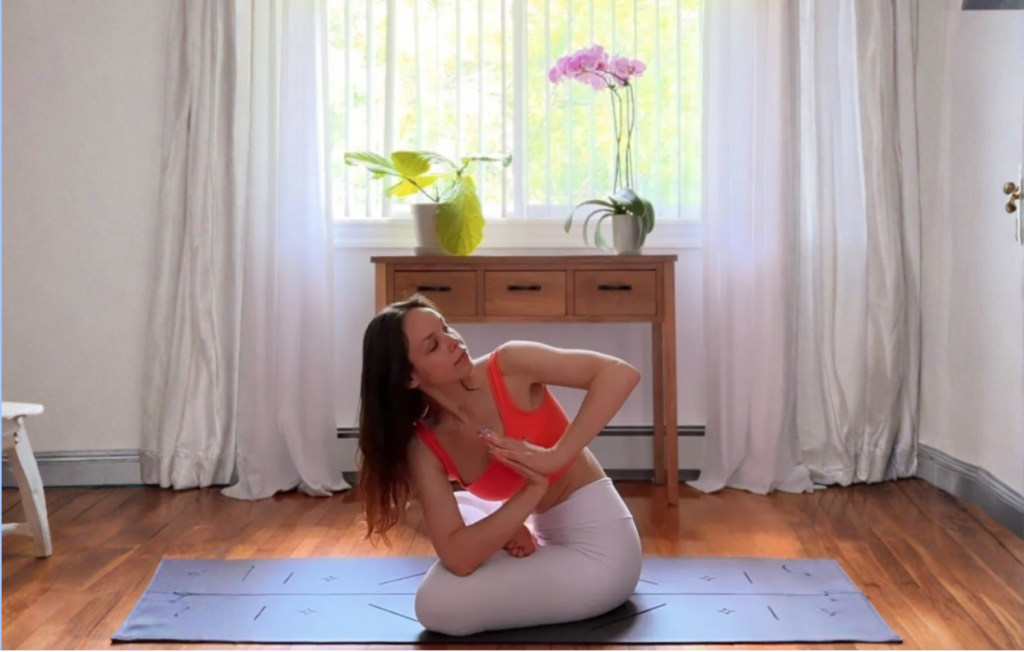
5mm Thick Yoga Mat Can Change Your Practice
People treat thickness like a throwaway spec. After spending a few minutes on a thin mat, your knees start to hurt. An extremely thick one gives you a mushy feeling and hinders your ability to stay balanced by making firm contact with the floor.
A thick yoga mat sits right in between. There’s enough give for your joints, but you still feel planted. Walk into most studios and their mats fall somewhere in this range, which isn’t a coincidence.
Who benefits most
When you are first starting out, the additional cushioning helps your body adjust to the task. The change will also be noticeable to anyone who has sore wrists or knees. Additionally, you will not feel like you are sinking while maintaining your balance if you prefer faster flows. The main point is that it works for a wide range of individuals.
Choosing a Yoga Mat? Don’t Ignore the Grip
Everyone obsesses over thickness and forgets about grip. But grip is what you actually feel mid-class. Once your hands start sliding during downward dog, the session’s over in your head.
Gayo‘s Eco Balance Pro handles this well. The surface, which they’ve branded EcoLock, holds steady even when you’re dripping sweat onto it. It’s built from natural tree rubber with an eco-polyurethane top, so you’re not breathing in the chemicals you get with bargain PVC mats. The mat runs 72 by 26 inches, which gives taller people some real room, and the printed alignment lines are handy for checking whether your feet are where they should be.
One reviewer mentioned she’s practiced for eight years, and this mat held up against ones costing twice as much. Coming from someone with that much mat time, it carries weight.
The Case for a Cork Yoga Mat
A cork yoga mat is a different animal, and it’s worth considering if you want something less synthetic.
The clever thing about cork is the grip. It gets tackier the wetter it gets, so sweat works for you instead of against you. Gayo’s version layers cork over a non-slip foam base, keeping the same 5mm thickness and 72-by-26-inch size as their rubber mat. You still get the joint support, but there’s a warm, almost woody feel to it that plastic mats never manage.
A customer left a tip, I think about every time the subject comes up. She rubs a little water into the spots where her hands and feet go before class, and the cork grabs even harder after that. Costs nothing, works well. Cork also fights off odor and bacteria on its own, which you’ll appreciate if you’ve ever caught a whiff of last week’s session.
Comfort and Care Over the Long Haul
You want a mat that sticks around. Both weigh between 8 and 9 pounds, solid but not so heavy you dread carrying them. Each comes with a strap, and you’ll be glad it’s there at 6 a.m. when you’re stumbling out the door to class.
Cleaning is no big production. A wet cloth, some gentle soap, warm water, and there you have it. Only ensure that it dries thoroughly before rolling it up again, and ensure that it isn’t stored in the sun since natural fibers aren’t fond of too much sunshine.
A quick reality check
These aren’t bulletproof. One reviewer pointed out that her cat left claw marks on the smooth rubber surface. So if you’ve got pets prowling around, roll the mat up when you’re finished. Takes two seconds and saves you the scratches.
Making Your Choice
Go with the Eco Balance Pro if you want a smooth, cushioned mat with alignment lines and a reliable grip when things get sweaty. Lean toward the cork mat if natural materials matter to you and you like grip that improves the harder you work.
Comfort is not a deciding factor, as you get the same balanced 5mm yoga mat feel in either case. It primarily depends on your budget and preferred surface. When choosing the mat, first sort out thickness, grip, and materials, and most of the decision will make itself. A 5mm thick yoga mat suits nearly every style and body type, which is why it’s such a safe place to start, whether you’re brand new or years deep into your practice.
The cushioned Eco Balance Pro or the earthy yoga mat, take your pick. This is gear you’ll be in contact with every time you practice. Go with whatever feels right under your hands, look after it, and it’ll be there for you a long time.